
The psychological pull of old cameras
Selling cameras, lenses or a collection?
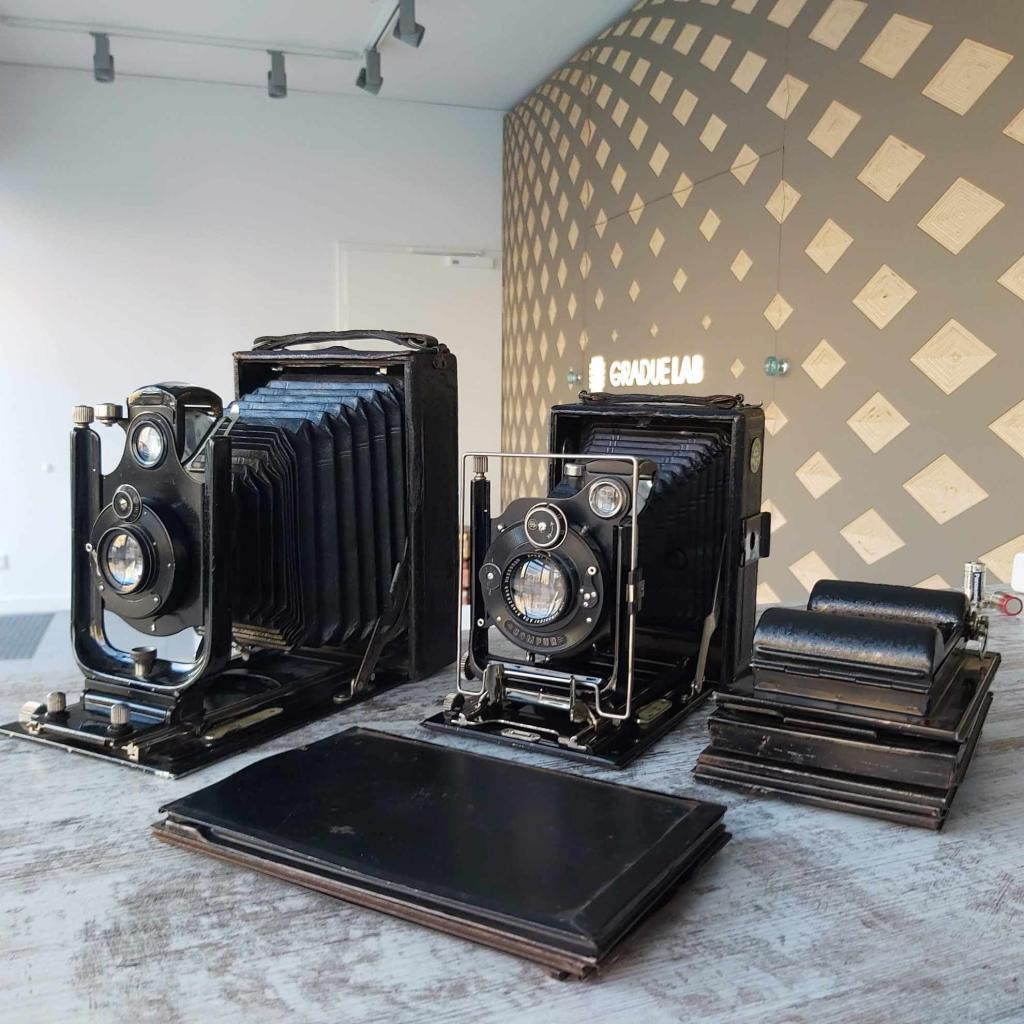
Above the quiet streets of a sleepy town, Dr Emil Hartmann worked in a building that had once housed a celebrated psychoanalytic clinic. Books lined his office. In one corner stood a couch on which generations of patients had spoken about their fears and hopes.
Few people knew about his other interest. In a private studio, he kept a collection of cameras: a 1930s Rolleiflex, an immaculate Leica M3 and a Zenza Bronica. Photography sometimes gave him a way to express things he could not find words for.
One rainy afternoon, Ada Weiss called about troubling dreams. She described a recurring camera lens that seemed to look into her, and corridors lined with locked doors.
As they talked about childhood and uncertain memories, Hartmann became increasingly interested in the images. He was also wary of reading his own interests into her story. The connection with photography was, after all, his as well as hers.
An experiment
With Ada’s agreement, he brought the Rolleiflex to a session and invited her to describe how it felt to hold it. She paused. Her father, who had died years earlier, had used a camera like this. The object gave them a new starting point for their conversation.
Over the following weeks, they made a photographic project based on images from her dreams. Using the Rolleiflex and later the Leica, they created portraits, blurred patterns of light and pictures of doors beginning to open.
The final image, made with the Zenza Bronica, was a self-portrait. Ada stood before a row of doors, each slightly ajar: an image of possibilities she felt more able to explore.
In this story, photography became a way for Ada to approach difficult memories and for Hartmann to listen differently. The camera did not explain everything. It gave them another language in which to begin.
When their work ended, she left a note: “Through the photographs, I understood more about myself, and perhaps about you. Maybe we are all a little like cameras: dark boxes in which something gradually comes into view.”
A different kind of clarity
Hartmann looked at the pictures again. Their value was not always in perfect focus. Sometimes it was an indistinct outline that left the most room for understanding.
Sell vintage cameras, lenses and microscopes
Recent articles:
- Old cameras and AI search
- Forgotten lenses: a fictional story of old cameras and Elon Musk
- The smile behind the lens: a story of connection and memory
- Beyond optics and illusion: Nietzsche and photography
- The retro revival: a Hegelian view of selling old cameras
Updated 29 September 2026: For current information about selling cameras, lenses, collections and inherited equipment, visit the Analog Lounge GmbH homepage.
Enquire about selling your equipment
A few overview photos or a list are usually enough for an initial assessment.