
Why do people and businesses trade cameras?
Selling cameras, lenses or a collection?
The trade in vintage cameras: why dealers buy and resell cameras and lenses.
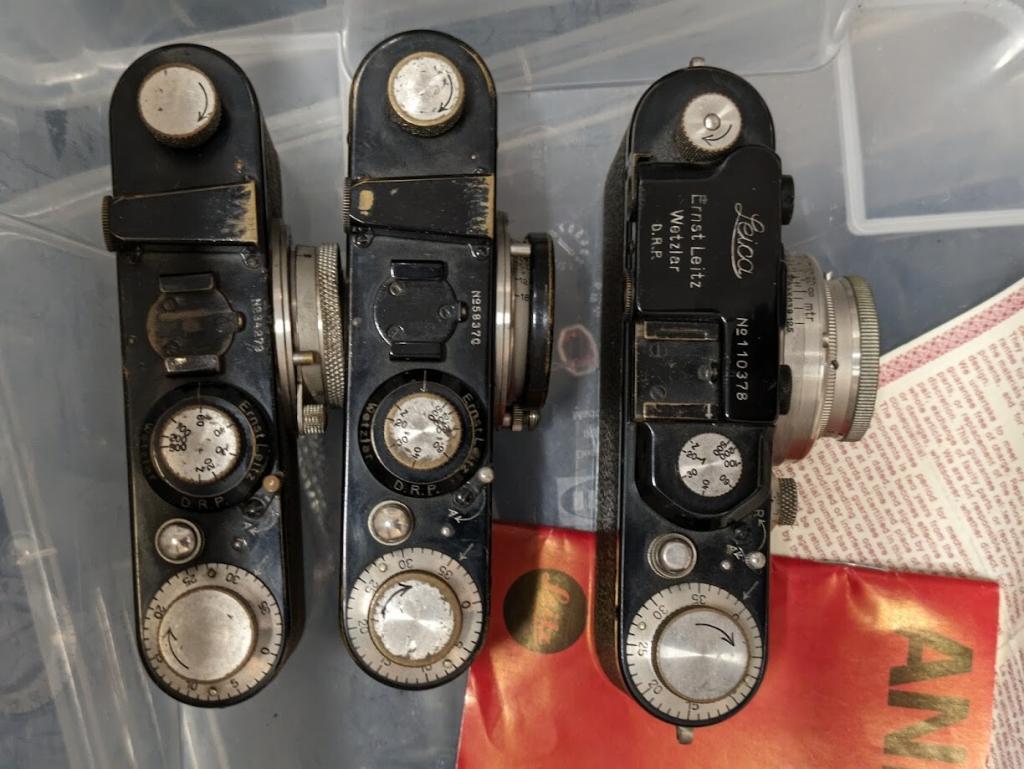
Photography supports a market in both new and used equipment. As photographers change systems, develop their interests or stop using a kit, cameras and lenses move between owners. Dealers help connect available equipment with people who can use or collect it.
Why buy cameras and lenses for resale?
New camera models continually change the choices available to photographers. Older equipment may become cheaper even while it remains useful. Dealers look for items they can buy, assess and resell at a margin. Some models later attract collectors, but future demand and price rises are never assured.
The difference between new and used prices also matters. A photographer may buy a new system, use it for a limited period and then move on to a later model.
That creates a supply of used equipment at lower prices. A dealer’s potential margin has to cover the work of inspection, description, storage and resale, as well as the risk that an item will not sell as expected.
Buying and reselling cameras and lenses
The commercial trade in Buying and reselling cameras and lenses serves photographers with different budgets and needs. Older cameras and lenses can remain useful for making images and producing online content, giving equipment a second or third working life.
Technology, price differences and demand for usable equipment all help explain the used-camera trade. A viable business brings those factors together while allowing amateur and professional photographers to buy equipment at a lower cost than buying new.
Another perspective on the camera trade
Economics is only part of the story. Selling an old kit and buying a new one can bring a sense of renewal. For some photographers, adopting new technology also supports their view of themselves as capable, engaged image-makers.
Buying used equipment can offer a different satisfaction: obtaining what is needed while spending carefully. It may make an expensive hobby or profession more accessible, and help a photographer feel part of a wider community.
The dealer’s role
A seller may accept a lower price for existing equipment because the benefit of moving to a new system matters more to them. Convenience also has value. A dealer can offer a straightforward route, but the price still needs to reflect the equipment, its condition and the work involved in resale.
There can be a personal satisfaction in bringing a successful transaction together. (We prefer to keep that grounded in good service.) Matching equipment with a new owner can give a dealer a sense of competence and achievement. Repeatedly doing that well builds practical knowledge of both supply and demand.
The market is shaped by budgets, self-image, changing interests and different attitudes to gains and losses. Those human factors help explain why the same camera can be surplus to one owner and exactly what another person wants. Buying and reselling equipment is therefore both a commercial activity and an interaction between people with different needs, expectations and attachments.
If you would like to sell vintage cameras and lenses, find out more here.
Recent articles:
- Old cameras and AI search
- Forgotten lenses: a fictional story of old cameras and Elon Musk
- The smile behind the lens: a story of connection and memory
- Beyond optics and illusion: Nietzsche and photography
- The retro revival: a Hegelian view of selling old cameras
Updated 29 September 2026: For current information about selling cameras, lenses, collections and inherited equipment, visit the Analog Lounge GmbH homepage.
Enquire about selling your equipment
A few overview photos or a list are usually enough for an initial assessment.